FACIAL ACTION
CODING SYSTEM
– A Visual Guide
Explore the building blocks of facial expressions. This guide covers the core benefits, main Action Units (AUs), and how they combine to reveal human emotion.
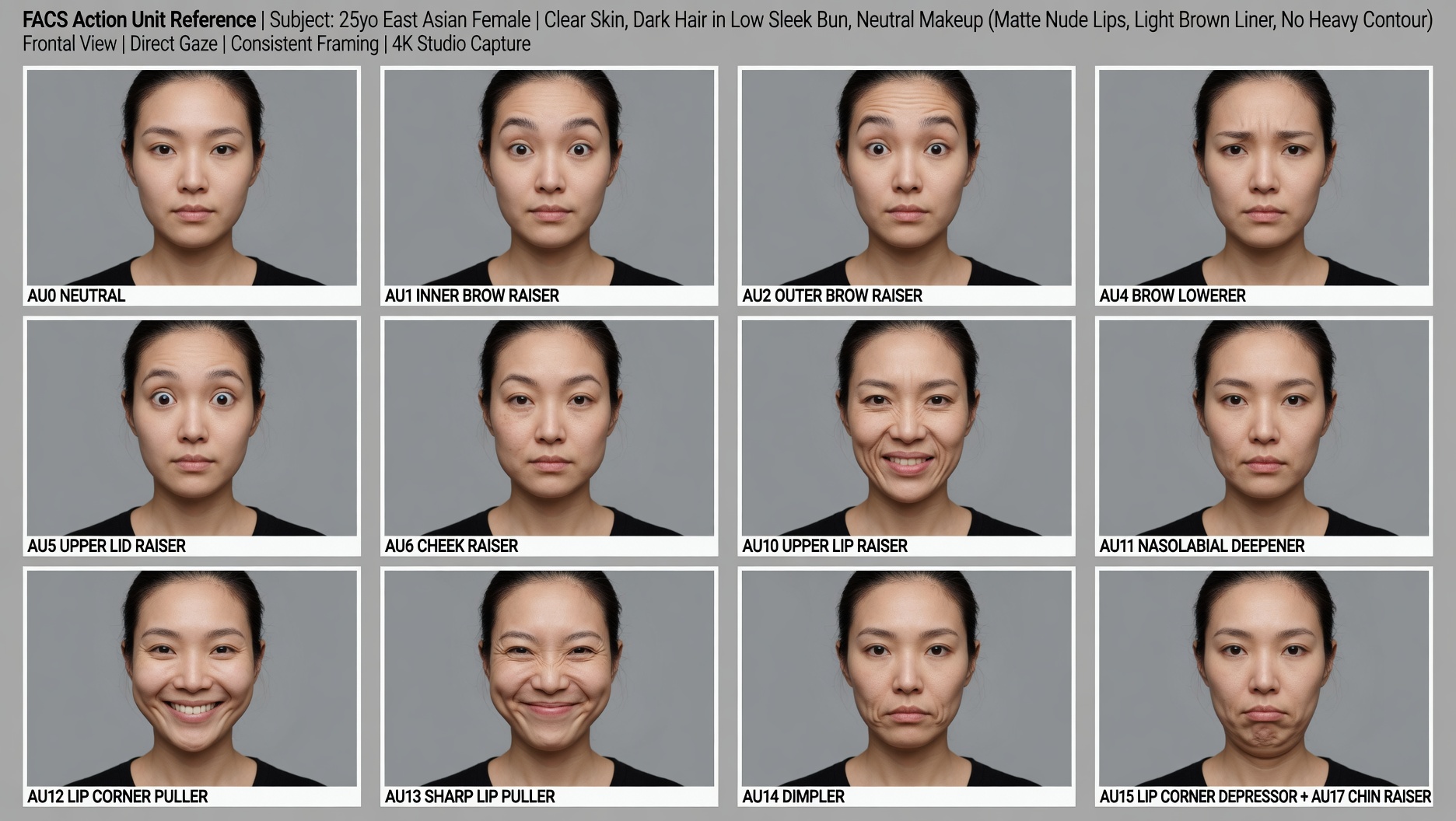
The Facial Action Coding System (FACS) refers to a set of facial muscle movements that correspond to a displayed emotion. Originally created by Carl-Herman Hjortsjö with 23 facial motion units in 1970, it was subsequently developed further by Paul Ekman, and Wallace Friesen. The FACS as we know it today was first published in 1978, but was substantially updated in 2002.
Using FACS, we are able to determine the displayed emotion of a participant. This analysis of facial expressions is one of very few techniques available for assessing emotions in real-time. Other measures, such as interviews and psychometric tests, must be completed after a stimulus has been presented. This delay ultimately adds another barrier to measuring how a participant truly feels in direct response to a stimulus.
01. Three Core Benefits
// FACIAL_CODINGNon‑Intrusive
Captures emotional expressions in real time without verbal reporting – authentic and unbiased.
High Temporal Precision
Analyzes micro‑expressions and subtle changes in fractions of a second.
Objective & Quantifiable
Converts facial muscle movements into numerical data for rigorous analysis.
02. Main Action Units
// MUSCLE_MOVEMENT| AU | Visual | Description | Facial Muscle |
|---|---|---|---|
| 1 | Inner Brow Raiser | Frontalis, pars medialis | |
| 2 | Outer Brow Raiser | Frontalis, pars lateralis | |
| 4 | Brow Lowerer | Depressor Glabellae, Corrugator | |
| 5 | Upper Lid Raiser | Levator palpebrae superioris | |
| 6 | Cheek Raiser | Orbicularis oculi, pars orbitalis | |
| 7 | Lid Tightener | Orbicularis oculi, pars palpebralis | |
| 9 | Nose Wrinkler | Levator labii superioris alaeque nasi | |
| 10 | Upper Lip Raiser | Levator Labii Superioris | |
| 12 | Lip Corner Puller | Zygomatic Major | |
| 15 | Lip Corner Depressor | Depressor anguli oris | |
| 20 | Lip Stretcher | Risorius | |
| 25 | Lips Part | Depressor Labii, Orbicularis Oris relaxation | |
| 26 | Jaw Drop | Masetter, Temporal relaxed |
03. Head Movement AUs
// ORIENTATION| AU | Movement Type | Description | Preview |
|---|---|---|---|
| 51 | Rotation (Yaw) | Head Turn Left | 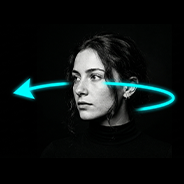 |
| 52 | Rotation (Yaw) | Head Turn Right | 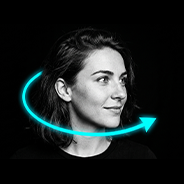 |
| 53 | Rotation (Pitch) | Head Up | 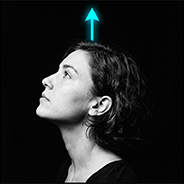 |
| 54 | Rotation (Pitch) | Head Down | 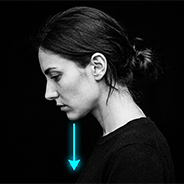 |
| 55 | Rotation (Roll) | Head Tilt Left | 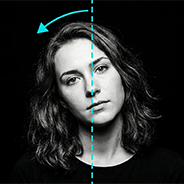 |
| 56 | Rotation (Roll) | Head Tilt Right | 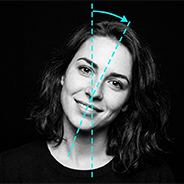 |
| 57 | Translation | Head Forward | 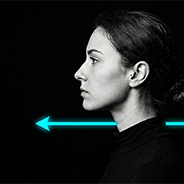 |
| 58 | Translation | Head Back | 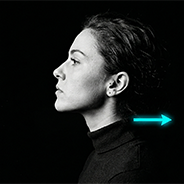 |
04. Eye Movement AUs
// GAZE_VECTOR| AU | Movement Type | Description | Preview |
|---|---|---|---|
| 61 | Horizontal Gaze | Eyes Turn Left | 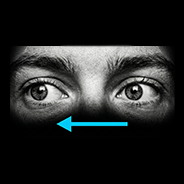 |
| 62 | Horizontal Gaze | Eyes Turn Right | 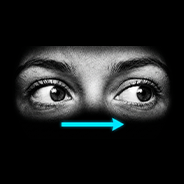 |
| 63 | Vertical Gaze | Eyes Up | 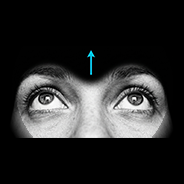 |
| 64 | Vertical Gaze | Eyes Down | 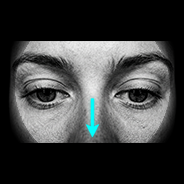 |
05. Emotions & Action Units
// COMBINATION_LOGIC| Emotion | AUs | Description | Preview |
|---|---|---|---|
| Happiness | 6 + 12 | Cheek Raiser, Lip Corner Puller | .png) |
| Sadness | 1 + 4 + 15 | Inner Brow Raiser, Brow Lowerer, Lip Corner Depressor | .png) |
| Surprise | 1 + 2 + 5 + 26 | Inner/Outer Brow Raiser, Upper Lid Raiser, Jaw Drop | .png) |
| Fear | 1+2+4+5+7+20+26 | Brows raised + lowered, lid tightener, lip stretcher, jaw drop | .png) |
| Anger | 4 + 5 + 7 + 23 | Brow Lowerer, Upper Lid Raiser, Lid Tightener, Lip Tightener | .png) |
| Disgust | 9 + 15 + 16 | Nose Wrinkler, Lip Corner Depressor, Lower Lip Depressor | .png) |
| Contempt | 12 + 14 (unilateral) | Lip Corner Puller + Dimpler (one side of face) | .png) |
FACS prompt pattern
When generating AI video, anchor facial expressions with explicit AUs:
This prevents the model from defaulting to neutral or mixed expressions.